


Page 15 - Code de Vino, #17/23, a/w 2018
P. 15
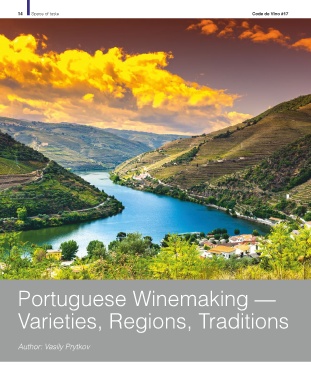
14 Space of taste Code de Vino #17 Code de Vino #17 Portuguese Winemaking — Varieties, Regions, Traditions 15
Portugal is located on the Iberian Peninsula in southwestern
2
Europe with an area slightly exceeding 92,000 km . A country
of stunning beauty, it offers visitors a truly unforgettable
experience. From the Algarve beaches in the south to the
picturesque mountains of Vinho Verde in the north, this is a
country of contrasts. Between them lie emerald valleys, hilly
plains and cork oak groves that provide the whole wine
world with high quality corks.
In the east of the country, the climate is dry and continental,
while the west has a milder climate and more greenery, which
is especially lush in the northeast. Today, the entire country
is interconnected by a network of new roads that serve as a sign
of the rapid development period the country experienced
in the late 1980's.
Now ancient buildings stand adjacent to large modern
construction projects, and age-old traditions co-exist with the
newest technological innovations. But still it is tradition that lies
at the very heart of Portugal. Family gatherings are frequent,
especially for dinners, in particular at Christmas. Friends
celebrate life together, go dancing, listen to fado music, and
pass the time in street cafes and traditional restaurants, which
regardless of their class, always strive to offer delicious food
and amazing local wines.
Traditional cuisine and wine are fundamental values here.
Without taking certain modern restaurants into account, visitors
can expect huge portions of local dishes, seasonal game,
an abundance of fish and seafood, the beloved Bacalhau cod,
plenty of bread, and local rice and potatoes. Dessert is a must,
and it might seem like Portugal has 1,001 combinations of yolk
and sugar.
Meals are always accompanied by wine, and always different
depending on the dish and event. They accentuate and help
open up new tastes, making each meal unforgettable.
Portuguese winemakers are only conservative about their fidelity
to grape varieties. But this comes as no surprise, asthey are
so unique and diverse.
Portugal's wine revolution
As for quality, no one here rests solely on the laurels of tradition.
Twenty-five years of investment, education and learning new
approaches has led to drastic changes in winemaking. Today,
the choice of Portuguese wines has increased considerably.
Alongside cooperatives and big companies, there are also lots
of wineries making their own wines good enough to consistently
conquer new markets. It is no surprise that Jancis Robinson, qualified specialists with a new professional status
the enologist to the British Queen, calls Portuguese wines on the domestic wine market.
the world's best!
Portuguese Winemaking — Thanks to considerable investments and subsidies from the Higher education institutes in Lisbon (Instituto Superior
de Agronomia, ISA) and in Lisbon and Vila Real
(Universidade de Tr s-os-Montes e Alto Douro, UTAD)
EU in the 1990's, vineyards and wineries saw an influx of funds
leading to an impressive increase in wine quality. Many private are responsible for training this new generation of
Varieties, Regions, Traditions wineries began to construct facilities to produce and bottle their and introduce new methods and technologies across the
specialists. They have managed to change the mentality
own wine instead of just selling their grapes or wines
to cooperatives or big winemakers as before.
country, thus accelerating the modernization of traditional
and even contributing to the development of new
Over the centuries, sons would follow in their fathers' footsteps winemaking regions. This new generation of winegrowers
and run the family wine business, thus preserving family and winemakers considers themselves the keepers of
Author: Vasily Prytkov traditions. Nowadays, new generations of winemakers are still in a precious and unique national treasure: the rich diversity
the family business and make use of their ancestors' experience. of autochthonous grape varieties that make Portuguese
The only difference is that these new winemakers are highly- wines so special.

